

Tea is often taken for granted due to its ubiquity and familiarity. It’s so commonplace that it can seem unremarkable. Yet, the everyday commodity teas that dominate our routines often obscure the extraordinary world of truly exceptional teas waiting to be discovered.
Across the globe, tea has played a profound role in shaping cultures and traditions. Its influence runs so deep in our societies that it sometimes feels invisible. But taking the time to explore beyond the surface reveals a vibrant and intricate world of tea that can add depth and richness to your life. Uncover the mystery of these 9 unique teas you likely never knew existed.
Table of contents
Tie Guan Yin

Tie Guan Yin, also known as Iron Goddess of Mercy tea, is an oolong tea that originates from the Fujian province in China. Legend has it that a poor farmer discovered this tea when he saw a dilapidated temple and decided to restore it. In gratitude, the goddess of mercy blessed him with this unique tea.
This oolong tea is celebrated for its potential health benefits, including antioxidant properties and digestive support. Additionally, it’s known to reduce stress and promote mental alertness, similar to green tea.
Its flavor is distinctive and unforgettable, offering subtle notes of sweet grass and cream. Some describe it as reminiscent of green apple skin. The aroma is vibrant, bursting with delicate orchid undertones. Revered as a classic Chinese tea, it is regarded as a true luxury, requiring exceptional talent and expertise to craft.
Refer to our dedicated Tie Guan Yin post to learn more about this exquisite tea.
Blue Pea Flower Tea

Blue Pea Flower Tea, also known as Butterfly Pea Tea, stands out for its captivating blue hue, derived from the petals of the Clitoria ternatea plant. With its mild, earthy flavor and striking visual appeal, this tea has become a favorite addition to tea blends and creative beverages. Once steeped, the petals release a brilliant blue infusion, turning any drink into an eye-catching masterpiece.
In Southeast Asia, especially in Thailand, this tea is deeply rooted in traditional medicine and cultural rituals. Its enchanting color also makes it a star in mixology and the culinary world. Bartenders frequently incorporate it into cocktails for its magical color-changing ability—add a splash of lemon juice, and the rich blue transforms into a vibrant purple, bringing a sense of wonder to every sip.
Pu-erh Tea

Pu-erh tea undergoes a unique fermentation process that sets it apart from other teas. Tea producers in Yunnan province, China, originated this tea and often compress it into cakes or bricks, turning it into a treasured collectible. Many people drink it after meals to aid digestion and celebrate its rich history.
Pu-erh has a deep, earthy flavor with a hint of sweetness. Its complex taste improves with age, much like fine wine.
Pair Pu-erh tea with hearty meals or rich desserts to enhance the dining experience. Its robust flavor directly complements chocolate and savory dishes. Chinese restaurants often serve this tea, especially during dim sum.
Lapsang Souchong

Originating from the Wuyi mountains of China, Lapsang Souchong showcases a unique production process, as producers traditionally smoke-dry the leaves over pinewood fires. This method requires great skill and knowledge.
This tea delivers a bold, smoky aroma with hints of sweetness, making it perfect for anyone who enjoys robust flavors. It evokes the charm of a pleasant evening by a campfire. However, cheap, poorly crafted versions ruin the experience by adding an unpleasant burnt flavor.
Serve Lapsang Souchong with smoked meats or dark chocolates to enhance the smokiness of the tea. It is especially comforting to drink on cold winter days due to its warming qualities, which might be why it is one of the preferred teas in Russia.
Rooibos Tea

Rooibos, or red tea, hails from South Africa and is naturally caffeine-free, making it a wonderful alternative for those sensitive to caffeine. Rooibos is rich in antioxidants and celebrated for its powerful anti-inflammatory properties. It supports healthy digestion and may enhance skin health.
Try Rooibos tea in lattes, iced teas, or as a base for smoothies. Consequently, its sweet, nutty flavor pairs well with various ingredients.
Honey Orchid Phoenix

Honey Orchid Phoenix (a.k.a. Mi Lan Xiang or Honey Orchid Fragrance) is a standout among oolong teas. What makes it truly unique is its striking natural aroma—often likened to ripe lychee, honey, and orchid blossom—despite being unflavored and unblended.
Grown at high elevations and crafted using traditional withering and charcoal roasting techniques, Honey Orchid Phoenix develops a layered flavor profile that shifts subtly across multiple infusions. Its distinct floral-fruity character comes from a specific cultivar and the terroir of the region, making it an excellent example of how varietal and processing can mimic the fragrance of tropical fruit and flowers with nothing but the leaf itself.
Silver Needle

Silver Needle, or Bai Hao Yin Zhen, is one of the most prized white teas in the world—and one of the most unique for its simplicity and elegance. Made exclusively from young, unopened buds covered in fine silvery-white hairs, this tea is harvested just a few days each spring in Fujian Province. Its delicate appearance belies a surprisingly nuanced flavor: subtly sweet, with hints of fresh cucumber, honeysuckle, and a whisper of hay.
Because it undergoes almost no processing—just careful withering and drying—it retains a remarkably pure expression of the tea plant. Silver Needle is prized not only for its taste but also for its calming, high-theanine properties, making it a serene and meditative choice for those seeking a gentle tea experience.
White Peony
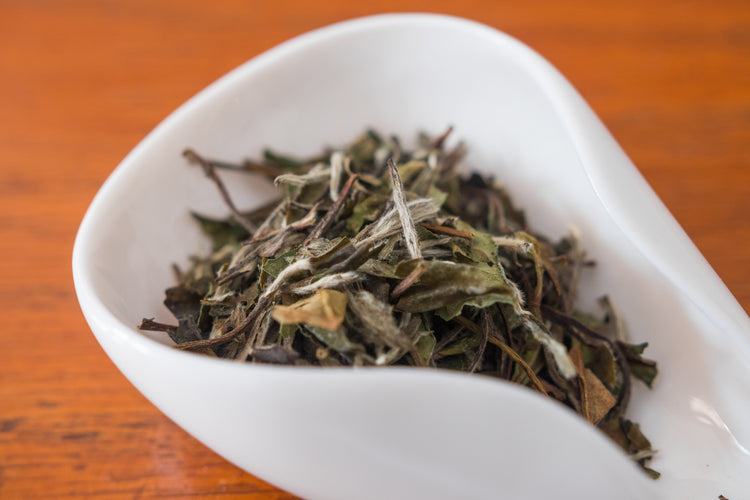
White Peony, known as Bai Mu Dan in Chinese, is made from both the bud and first few leaves of the tea plant, it strikes a balance between the lightness of Silver Needle and the depth of green or lightly oxidized teas. Both white teas are well-known for their anti-aging and skin benefits.
Grown primarily in Fujian Province, White Peony is traditionally sun-withered and minimally processed, preserving its natural antioxidants and subtle complexity. What sets it apart is its soft, slightly sweet taste with notes of dried hay, melon, and sometimes a faint nuttiness—alongside a floral finish that lingers gently on the palate. It’s a tea that rewards slow sipping and reveals more with each infusion.
Golden Monkey

Golden Monkey is an exceptional variety of tea celebrated for its distinctive flavor profile and remarkable quality. This tea, often regarded as a treasure among connoisseurs, is crafted with utmost care from tender tea leaves and buds, which are handpicked to ensure only the finest selections make their way into the final product. Its name, derived from the golden tips of the leaves, reflects the luxurious and exquisite nature of this tea.
Renowned for its smooth, mellow taste and natural sweetness, Golden Monkey offers a delightful experience for tea enthusiasts. The infusion produces a rich, amber-colored brew with subtle notes of caramel and honey, complemented by a hint of cocoa undertones. Its complexity and depth make it a favorite choice for those who appreciate the artistry and tradition behind premium teas. Perfect for savoring during a quiet moment or sharing with others, Golden Monkey embodies the sophistication and elegance of fine tea craftsmanship.
We hope you’ve enjoyed this brief exploration of exceptional teas. At Zenith Leaf, we pride ourselves on offering a diverse selection of rare and distinctive teas from around the world. Speciality teas are our passion, and we believe that quality is paramount when it comes to crafting the perfect infusion. That’s why we exclusively carry premium, loose-leaf teas of the highest standard. At Zenith Leaf, we’re committed to enhancing your well-being and delight through the timeless art of tea. Take a moment to browse our collection of unique teas and discover something truly extraordinary.